Hoover H-Wash 500: A Comprehensive User Guide (Updated 02/18/2026)
Welcome! This manual‚ updated today – 02/18/2026 at 23:24:00‚ is designed to expertly guide you through all features of your Hoover H-Wash 500 washing machine․
Congratulations on choosing the Hoover H-Wash 500 washing machine! This appliance represents a commitment to quality and innovation in laundry care․ This comprehensive user guide‚ last updated on February 18th‚ 2026‚ at 23:24:00‚ serves as your primary resource for understanding and maximizing the potential of your new washing machine․
The H-Wash 500 is engineered to deliver exceptional cleaning performance while prioritizing energy efficiency and user convenience․ Whether you’re tackling everyday laundry loads or specialized fabric care‚ this machine offers a versatile range of wash cycles and features to meet your needs․
This manual will walk you through every aspect of operation‚ from initial setup and component identification to advanced features and routine maintenance․ We encourage you to read this guide thoroughly to ensure safe‚ efficient‚ and long-lasting performance from your Hoover H-Wash 500․ Let’s begin your journey to cleaner‚ fresher laundry!

Unboxing and Initial Setup
Carefully unpack your Hoover H-Wash 500‚ ensuring all packaging materials are removed from both inside and outside the machine․ Verify all components are present – refer to the included parts list․ Inspect the appliance for any visible damage incurred during shipping; report any issues immediately to your retailer․
Position the washing machine on a firm‚ level surface․ Adjust the leveling feet to eliminate any wobble․ Connect the water inlet hoses to the hot and cold water taps‚ ensuring a secure fit․ Attach the drain hose‚ directing it into a suitable standpipe or laundry sink․
Before the first wash‚ run an empty cycle with a small amount of detergent to clean the drum․ This initial cycle‚ performed on February 18th‚ 2026‚ will prepare the machine for optimal performance․ Double-check all connections for leaks before commencing regular use․
Component Overview
The Hoover H-Wash 500 comprises several key components working in harmony․ The robust drum‚ constructed from durable stainless steel‚ houses your laundry during washing․ Above it sits the intuitive control panel‚ your interface for selecting cycles and settings․ Water enters via the inlet system‚ regulated for temperature and volume․
A sophisticated drainage system efficiently removes used water after each cycle․ Internally‚ you’ll find a powerful motor driving the drum’s rotation and a heating element for temperature control․ The detergent drawer‚ divided into compartments‚ dispenses detergent‚ fabric softener‚ and pre-wash additives at the appropriate times․
Finally‚ a series of filters protect the pump from debris‚ ensuring long-term reliability․ Understanding these components‚ as of February 18th‚ 2026‚ is crucial for effective operation and maintenance of your appliance․
Control Panel Explained
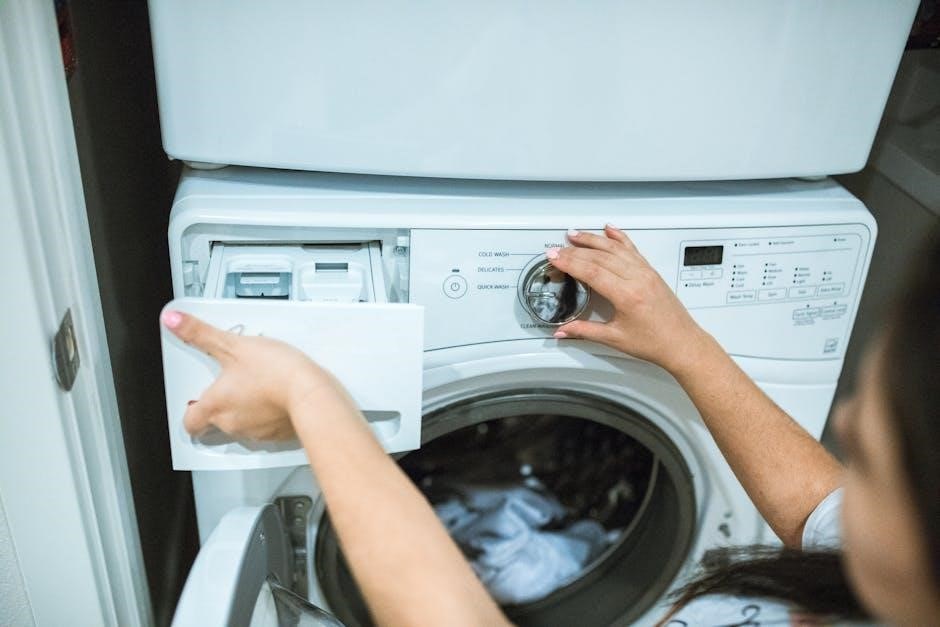
The Hoover H-Wash 500’s control panel is designed for user-friendly operation․ A central digital display clearly shows the selected cycle‚ remaining time‚ and any active options․ A rotary dial allows for easy cycle selection – Cotton‚ Synthetics‚ Delicates‚ Quick Wash‚ and more․ Push buttons provide access to additional features like temperature adjustment‚ spin speed control‚ and start/pause functionality․
Dedicated indicator lights illuminate to signal cycle progress‚ water temperature‚ and any error messages․ A ‘Delay Start’ button enables you to schedule washes for convenience․ The panel also features options for steam cycles and allergy care programs․ As of today‚ February 18th‚ 2026‚ mastering the control panel unlocks the full potential of your washing machine․
Drum and Internal Features
The Hoover H-Wash 500 boasts a spacious stainless steel drum‚ designed for durability and hygiene․ Its internal structure features strategically placed lifters that gently tumble clothes‚ ensuring thorough cleaning while minimizing fabric stress․ The drum volume is optimized to accommodate large loads‚ reducing wash frequency․
Inside‚ you’ll find a self-cleaning filter system‚ contributing to consistent performance and preventing residue buildup․ The drum’s design promotes efficient water distribution‚ maximizing detergent effectiveness․ As of today‚ February 18th‚ 2026‚ the internal components work in harmony to deliver exceptional wash results․ Regular inspection of the drum and its features will ensure longevity and optimal operation of your appliance․
Water Inlet and Drainage System
The Hoover H-Wash 500 features a dual water inlet system‚ allowing for both hot and cold water connections for versatile washing options․ Clearly marked inlet hoses simplify installation‚ ensuring correct connection․ A robust water pressure system guarantees efficient filling‚ even with lower household pressure․
Regarding drainage‚ the machine utilizes a high-capacity drain pump capable of quickly and effectively removing wastewater․ The drain hose is designed to prevent kinks and blockages‚ maintaining consistent flow․ As of today‚ February 18th‚ 2026‚ the system is engineered for reliable operation․ Regularly checking the drain filter is crucial to prevent clogging and maintain optimal performance․ Proper maintenance of both inlet and drainage systems will prolong the life of your appliance․
Understanding the Wash Cycles
The Hoover H-Wash 500 offers a diverse range of wash cycles designed to cater to various fabric types and cleaning needs․ These cycles are intuitively programmed for optimal results‚ ensuring your clothes are thoroughly cleaned and well-preserved․ From heavy-duty cotton washes to delicate garment care‚ the machine provides tailored solutions․
Understanding each cycle’s specific settings – temperature‚ spin speed‚ and wash duration – is key to maximizing performance․ As of today‚ February 18th‚ 2026‚ the control panel clearly displays cycle options․ Detailed explanations of each cycle‚ including Cotton‚ Synthetics‚ Delicate/Wool‚ and Quick Wash‚ follow in subsequent sections of this manual․ Selecting the appropriate cycle guarantees efficient water and energy usage‚ alongside superior cleaning outcomes․
Cotton Cycle – Detailed Settings
The Cotton Cycle on your Hoover H-Wash 500 is ideal for robust‚ everyday cotton items like t-shirts‚ bed linen‚ and towels․ This cycle offers adjustable temperature settings‚ ranging from cold (30°C) to hot (90°C)‚ allowing you to tackle varying levels of soiling․ Spin speed is also customizable‚ from 400 to 1600 RPM‚ influencing the dryness of the laundry․
As of today‚ February 18th‚ 2026‚ pre-wash and intensive stain removal options are available for heavily soiled items․ A ‘delay start’ function allows you to schedule washes for convenience․ The default setting provides a balanced wash‚ but modifications are encouraged based on fabric care labels․ Always check garment instructions before selecting settings․ Proper utilization of these detailed settings ensures optimal cleaning and fabric preservation with your H-Wash 500․

Synthetics Cycle – Optimizing for Fabrics

The Synthetics Cycle on the Hoover H-Wash 500 is specifically designed for manufactured fabrics like polyester‚ nylon‚ and acrylics․ This cycle utilizes a gentler washing action and lower temperatures – typically between 30°C and 40°C – to prevent damage and maintain fabric integrity․ Spin speeds are automatically adjusted to protect these materials‚ generally capping at 800-1200 RPM․
As of today‚ February 18th‚ 2026‚ the cycle offers options for reduced creasing and a shorter wash duration․ It’s crucial to avoid high temperatures with synthetics‚ as this can cause shrinking or melting․ Always consult garment care labels․ Utilizing the correct settings on your H-Wash 500 ensures effective cleaning while preserving the shape‚ color‚ and overall quality of your synthetic clothing items․
Delicate/Wool Cycle – Gentle Washing
The Delicate/Wool Cycle on your Hoover H-Wash 500‚ as of today‚ February 18th‚ 2026‚ provides exceptionally gentle care for sensitive fabrics like silk‚ lace‚ and wool․ This cycle employs a very slow drum rotation and cool water temperatures – typically around 30°C or lower – to minimize agitation and prevent stretching or felting․ Spin speeds are significantly reduced‚ often below 600 RPM‚ to further protect delicate items․
It’s highly recommended to use a specialized detergent formulated for wool and delicates․ Avoid overloading the machine‚ as this can compromise the gentle washing action․ Always check garment care labels before washing․ Selecting this cycle on your H-Wash 500 ensures your most treasured and fragile garments receive the utmost care‚ extending their lifespan and maintaining their beauty․
Quick Wash Cycle – Time Saving Options
The Quick Wash Cycle on your Hoover H-Wash 500‚ updated as of February 18th‚ 2026‚ is designed for lightly soiled laundry that requires a fast refresh․ Several options are available‚ typically ranging from 15 to 30 minutes‚ offering flexibility based on your needs․ These cycles utilize increased water flow and optimized drum movements to achieve effective cleaning in a shorter timeframe․
While incredibly convenient‚ remember that the Quick Wash is best suited for smaller loads and items that aren’t heavily stained․ Using excessive detergent can lead to residue buildup; The H-Wash 500’s Quick Wash cycles are perfect for everyday items like t-shirts‚ sportswear‚ and lightly worn clothes‚ providing a time-saving solution without sacrificing cleanliness․ Always consult garment care labels before use․
Using Detergents and Additives
To achieve optimal cleaning performance with your Hoover H-Wash 500 (manual updated 02/18/2026)‚ selecting the correct detergent and using it appropriately is crucial․ The machine is compatible with both powder‚ liquid‚ and pod detergents‚ though liquid detergents generally dissolve more readily‚ especially at lower temperatures․ Always use detergents specifically formulated for washing machines; hand-wash detergents are not suitable․

The detergent drawer features separate compartments for pre-wash detergent‚ main wash detergent‚ and fabric softener․ Avoid overfilling‚ as this can lead to residue and reduced efficiency․ When using additives like bleach or stain removers‚ follow the manufacturer’s instructions carefully․ Refer to the dosage guidelines within this manual‚ adjusted based on load size and soil level‚ to ensure effective and economical washing․
Recommended Detergent Types
The Hoover H-Wash 500 (manual updated 02/18/2026) performs exceptionally well with a variety of detergent types‚ but some are better suited for specific needs․ For everyday washing‚ a high-efficiency (HE) liquid detergent is recommended‚ as it minimizes residue and maximizes cleaning power․ Powder detergents are a cost-effective option‚ particularly for larger loads and heavily soiled items‚ but ensure complete dissolution․
Detergent pods offer convenience and pre-measured doses‚ ideal for quick washes․ However‚ avoid using pods with heavily soiled loads‚ as they may not fully dissolve․ For delicate fabrics and colors‚ a detergent specifically designed for these materials is advised to prevent fading and damage․ Always check the detergent packaging for compatibility with front-load washing machines and follow dosage instructions carefully for optimal results․
Dosage Guidelines – Based on Load Size
Accurate detergent dosage is crucial for optimal cleaning performance with your Hoover H-Wash 500 (manual updated 02/18/2026)․ For small loads (up to 3kg)‚ use approximately 20-30ml of liquid detergent․ Medium loads (3-5kg) require 30-45ml‚ while full loads (5-8kg) benefit from 45-60ml․ When using powder detergent‚ follow the manufacturer’s guidelines‚ typically 20-40g for smaller loads and 40-60g for larger ones․
If water hardness is high‚ increase the detergent dosage slightly; Heavily soiled items may also require a small increase․ Avoid overdosing‚ as this can lead to residue buildup and reduced rinsing efficiency․ Refer to the detergent packaging for specific recommendations and always consult the H-Wash 500’s user interface for load size estimations․ Proper dosage ensures effective cleaning and prolongs the life of your machine․
Fabric Softener Compartment Usage
The Hoover H-Wash 500 (manual updated 02/18/2026) features a dedicated compartment‚ typically marked with a flower symbol‚ for fabric softener․ This compartment automatically dispenses the softener during the final rinse cycle‚ leaving your clothes feeling softer and reducing static cling․ Always dilute concentrated fabric softener with water before pouring it into the compartment – a 1:1 ratio is generally recommended․
Do not exceed the maximum fill line indicated within the compartment․ Overfilling can cause premature dispensing and potential staining of your garments․ Avoid direct contact of undiluted fabric softener with fabrics․ For optimal results‚ use the recommended dosage specified on the fabric softener packaging․ Regularly check the compartment for any residue buildup and clean as needed to ensure smooth operation and prevent blockages․
Special Features & Programs
The Hoover H-Wash 500 (manual updated 02/18/2026) boasts several specialized programs designed to cater to diverse laundry needs․ The Steam Cycle utilizes steam to refresh clothes‚ reduce wrinkles‚ and sanitize fabrics‚ offering a gentle alternative to traditional washing․ The Allergy Care Cycle is engineered to eliminate common allergens like dust mites and pollen‚ making it ideal for sensitive skin or allergy sufferers․
Beyond these‚ explore pre-wash options for heavily soiled items and delay start functionality for convenient laundry scheduling․ The machine also includes a refresh cycle for lightly worn clothes needing a quick revitalization․ Refer to the control panel for detailed program descriptions and customization options․ Utilizing these features maximizes the efficiency and effectiveness of your washing experience․
Steam Cycle – Benefits and Usage
The Hoover H-Wash 500’s (manual updated 02/18/2026) Steam Cycle offers significant benefits beyond standard washing․ Steam penetrates fabrics more effectively‚ loosening dirt and stains while minimizing wrinkles․ This results in clothes that are noticeably fresher and require less ironing․ It’s particularly effective for garments that need refreshing between washes or for reducing odors․
Usage: Select the Steam Cycle on the control panel․ Load your laundry‚ ensuring not to overload the drum․ Add detergent as recommended (see ‘Using Detergents and Additives’)․ The cycle duration varies based on the selected intensity․ Avoid using bleach with the Steam Cycle․ This feature is ideal for delicate fabrics and items requiring gentle sanitation‚ providing a superior clean and care experience․
Allergy Care Cycle – Removing Allergens
The Hoover H-Wash 500 (manual updated 02/18/2026) features a specialized Allergy Care Cycle designed to eliminate common allergens like dust mites‚ pollen‚ and pet dander․ This cycle utilizes higher water temperatures and an extended rinse sequence to ensure thorough removal of allergen residues from fabrics․ It’s crucial for households with allergy sufferers or sensitive skin․
Usage: Select the Allergy Care Cycle on the control panel․ Load laundry‚ avoiding overloading․ Use a hypoallergenic detergent (see ‘Recommended Detergent Types’) for optimal results․ The cycle duration is longer than standard washes due to the intensified cleaning process․ This cycle is best suited for bedding‚ towels‚ and frequently worn clothing․ Regular use of the Allergy Care Cycle contributes to a healthier home environment‚ providing peace of mind and improved well-being․
Maintenance and Cleaning
Maintaining your Hoover H-Wash 500 (manual updated 02/18/2026) is vital for optimal performance and longevity․ Regular cleaning prevents buildup and ensures hygienic operation․ We recommend a monthly drum clean using a washing machine cleaner‚ following the product’s instructions․ Always wipe down the exterior with a damp cloth and mild detergent․
Crucially‚ the filter requires cleaning every three months‚ or more frequently with heavy use (see ‘Filter Cleaning – Step-by-Step Guide’)․ Inspect the door seal regularly for mold or debris‚ cleaning with a diluted bleach solution if necessary (see ‘Door Seal Maintenance – Preventing Mold’)․ Neglecting maintenance can lead to reduced efficiency and potential damage․ Following these simple steps will keep your H-Wash 500 functioning flawlessly for years to come‚ ensuring consistently clean laundry․
Cleaning the Drum Regularly
To maintain peak performance of your Hoover H-Wash 500 (manual updated 02/18/2026)‚ regular drum cleaning is essential․ We advise a monthly cleaning cycle‚ even with consistent use․ Utilize a commercially available washing machine cleaner – liquid or tablet form is suitable․
Specifically‚ pour the cleaner into the detergent dispenser and run a hot‚ lengthy wash cycle (Cotton cycle recommended) with the drum empty․ This process effectively removes detergent residue‚ fabric softener buildup‚ and potential mold spores․ Avoid using harsh abrasives or scouring pads‚ as these can damage the drum’s surface․ A clean drum ensures optimal washing results and prevents unpleasant odors․ Consistent drum cleaning contributes significantly to the longevity of your appliance․

Filter Cleaning – Step-by-Step Guide
Maintaining a clean filter is crucial for your Hoover H-Wash 500’s (manual updated 02/18/2026) efficient operation․ Locate the filter access panel‚ typically at the front‚ bottom-right of the machine․ Before starting‚ ensure the machine is switched off and unplugged․
Place a shallow container and towels nearby to catch any residual water․ Gently open the access panel – some water will likely spill․ Carefully unscrew and remove the filter․ Rinse it thoroughly under running water‚ removing lint‚ hair‚ and small objects․ Inspect the filter housing for any obstructions and clear them․ Reinsert the filter‚ ensuring it’s securely tightened․ Close the access panel․ A clogged filter reduces water flow and can impact washing performance․ Regular cleaning – every two months is recommended – prevents issues․
Door Seal Maintenance – Preventing Mold
The door seal of your Hoover H-Wash 500 (manual updated 02/18/2026) requires regular attention to prevent mold and mildew buildup․ After each wash‚ wipe the seal thoroughly with a dry cloth to remove any lingering moisture․ Pay particular attention to the folds and crevices where water can accumulate․
Periodically‚ use a mild cleaning solution – diluted white vinegar works well – to disinfect the seal․ Apply with a cloth‚ then rinse with clean water and dry completely․ Leave the washing machine door slightly ajar after use to promote air circulation and prevent moisture retention․ Inspect the seal regularly for any signs of damage‚ such as cracks or tears‚ and replace it if necessary․ A well-maintained seal ensures efficient operation and prevents unpleasant odors․
Troubleshooting Common Issues
This section of the Hoover H-Wash 500 manual (updated 02/18/2026) addresses frequent problems․ If your machine won’t start‚ check the power supply and ensure the door is securely closed․ For drainage issues‚ verify the drain hose isn’t kinked or blocked‚ and clean the filter (see Maintenance section)․
If you encounter error codes‚ consult the full error code list at the end of this manual․ Excessive vibration can indicate an unbalanced load – redistribute items within the drum․ Leaks may signal a loose hose connection or a damaged door seal․ If detergent isn’t dissolving properly‚ use a liquid detergent or adjust the water temperature․ Always disconnect the power before attempting any repairs․ If problems persist‚ contact Hoover customer support for assistance․
Safety Precautions
Important Safety Instructions for your Hoover H-Wash 500 (updated 02/18/2026)․ Always disconnect the appliance from the power supply before cleaning or maintenance․ Never operate the machine if the power cord or plug is damaged․ Do not allow children to play with or near the washing machine․
Ensure the machine is correctly installed and grounded․ Avoid overloading the drum‚ as this can cause damage․ Do not wash items that have been soaked in flammable liquids․ Keep the area around the machine free from obstructions․ Never attempt to repair the appliance yourself; contact qualified service personnel․ This appliance is intended for household use only․ Read the full manual before operating to understand all safety guidelines and prevent potential hazards․ Failure to follow these precautions could result in injury or damage․