Archive title

Autem vel eum iriure dolor in hendrerit in vulputate velit esse molestie consequat, vel illum dolore eu feugiat nulla facilisis at vero eros et dolore feugait.

Monthly Archive April 16, 2026

panasonic kx dt343 manual

Panasonic KX-DT343 Manual: Comprehensive Guide

Discover a detailed resource for your Panasonic KX-DT343 phone system, offering guides, troubleshooting, and access to official documentation via the Internet Archive.

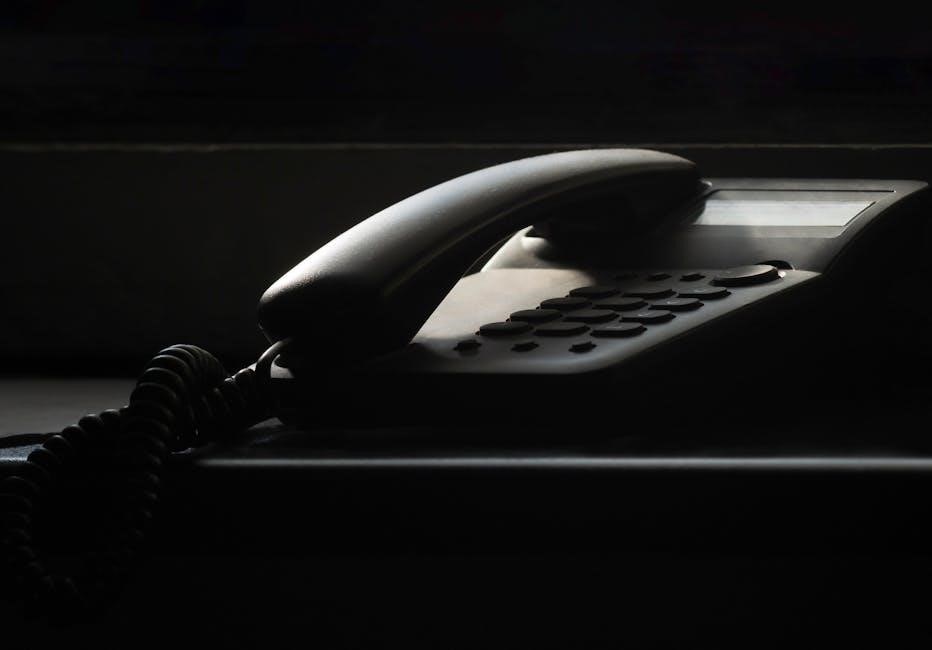
The Panasonic KX-DT343 is a digital proprietary telephone designed for business communication systems. This guide serves as a comprehensive resource for users seeking to understand and effectively utilize the phone’s features. It’s part of a series including the KX-DT333 and KX-DT346 models, sharing many functionalities.

Available resources, like those found on the Internet Archive, offer quick user guides and full manuals in PDF format, alongside torrent downloads for convenient access. These manuals, uploaded by contributors like chris85 in January 2022, detail everything from initial setup to advanced call management. Understanding your KX-DT343 is crucial for seamless office communication, and this guide aims to provide that understanding.

Key Features and Specifications

The Panasonic KX-DT343 boasts a range of features tailored for efficient office communication. Core functionalities include answering and placing calls, utilizing a speakerphone for hands-free operation, and programmable CO/DSS keys for line selection. These keys allow for quick access to frequently dialed numbers or internal extensions.

While specific detailed specifications require referencing the official Panasonic manual – readily available through resources like the Internet Archive – the phone is designed for integration with Panasonic’s proprietary systems. It supports features dependent on the system’s software version. The availability of optional devices, like Bluetooth adapters, may also vary. Detailed information regarding these aspects is found within the comprehensive documentation.

Setting Up Your Phone

Begin with initial connections and installation, then customize your phone by programming the CO/DSS keys for streamlined call handling and efficient operation.

Initial Installation and Connections

Establishing a functional Panasonic KX-DT343 system begins with careful installation and secure connections. Ensure the phone is placed on a stable surface near a standard telephone jack and a reliable power outlet. Connect the phone line cord to the designated port on the back of the handset, and then plug the power adapter into both the phone and the electrical outlet.

Verify all connections are firm to prevent interruptions during operation. If utilizing a headset, connect it to the appropriate port. For optimal performance, avoid placing the phone in direct sunlight or near sources of excessive heat or moisture. Refer to the full manual, available through resources like the Internet Archive, for detailed diagrams and specific instructions tailored to your setup. Proper initial setup is crucial for seamless functionality.

Programming CO/DSS Keys

Customizing your Panasonic KX-DT343 experience involves programming the CO/DSS keys for quick access to frequently used lines or features. These keys, often pre-programmed, can be reconfigured to suit your specific needs. To begin, access the programming mode, typically initiated through a specific sequence of button presses – consult the official manual for the exact procedure.

Once in programming mode, you can assign direct inward dialing (DID) numbers or frequently called extensions to individual keys. The process usually involves selecting a key and then entering the corresponding phone number or extension. Save your changes and test each key to ensure proper functionality. Resources like the Internet Archive offer downloadable manuals detailing these steps, enabling efficient customization of your phone system.

Making and Receiving Calls

Learn how to efficiently answer incoming calls by lifting the handset or pressing the speakerphone. Placing outgoing calls is similarly simple and straightforward.

Answering Incoming Calls

Responding to an incoming call on your Panasonic KX-DT343 is a straightforward process designed for quick and efficient communication. When your phone is ringing, you have two primary options for answering. The first, and most traditional, method is to simply lift the handset. This immediately connects you to the caller, allowing for a private conversation.

Alternatively, for hands-free operation, you can press the “SP-PHONE” button. This activates the speakerphone function, enabling you to converse without holding the handset. Ensure the volume is at a comfortable level before engaging in conversation using the speakerphone. The quick user guide highlights these simple steps for seamless call answering. Remember to check the manual for any specific settings related to ringtone volume or call display features that might affect your experience.

Placing Outgoing Calls

Initiating an outgoing call with the Panasonic KX-DT343 offers flexibility through both handset and hands-free options. To place a call, begin by lifting the handset or pressing the “SP-PHONE” button to activate the speakerphone for hands-free dialing. A key feature is the ability to select a specific line before dialing.

This is conveniently achieved by pressing a pre-programmed CO/DSS key. These keys can be customized to directly connect to frequently called numbers or internal extensions, streamlining your calling process; Once a line is selected (or automatically if no key is pressed), simply dial the desired phone number using the keypad. The system supports standard dialing procedures, and the manual provides detailed instructions on utilizing any advanced features like pause or redial. Ensure you have a clear dial tone before beginning your call.

Using the Speakerphone Function

The Panasonic KX-DT343’s speakerphone provides convenient hands-free communication. Activation is simple: press the “SP-PHONE” button during an incoming call to answer it hands-free, or before dialing to initiate an outgoing call without using the handset. The speakerphone volume is adjustable, allowing you to optimize clarity based on your environment and preferences.

During a call, the SP-PHONE button toggles the speakerphone on and off. When activated, the indicator light illuminates, confirming hands-free operation. For optimal audio quality, position the phone on a flat surface and ensure the speaker isn’t obstructed. The manual details potential adjustments for echo cancellation or noise reduction, depending on your system’s configuration. Remember to deactivate the speakerphone when finished to conserve power and maintain privacy.

Advanced Features

Explore call transfer, conference call setup, and hold/retrieve functionalities within the KX-DT343 system, enhancing communication capabilities for efficient office operations.

Call Transfer Procedures

Transferring calls on the Panasonic KX-DT343 is a straightforward process, enabling seamless redirection to colleagues or extensions. To initiate a transfer, first establish a call with the party you wish to connect. Then, press the “Transfer” button – its specific location may vary slightly depending on your system configuration, but it’s generally clearly labeled.

Next, dial the extension number of the person to whom you want to transfer the call. The system will typically provide an audible tone indicating the transfer is in progress. If the intended recipient is available, they will automatically answer the call. If the line is busy or unanswered, you may have the option to transfer to voicemail, depending on your system settings.

Some systems offer a “warm transfer,” allowing you to briefly speak with the recipient before completing the transfer, ensuring they are available and prepared to take the call. Consult your system administrator for specific warm transfer procedures. Always confirm the transfer is successful before disconnecting.

Conference Call Setup

Establishing a conference call with the Panasonic KX-DT343 allows multiple parties to participate in a single conversation. Begin by connecting to the first caller. Once established, press the “Conference” button – again, its location may vary, but it’s usually clearly marked on the phone’s interface. Then, dial the extension number of the next participant you wish to add to the call.

Upon answering, press the “Conference” button again to include them in the ongoing conversation. You can repeat this process to add additional participants, up to the maximum number supported by your system.

To manage the conference, you may have options to mute individual participants or drop them from the call entirely. Refer to your system’s specific documentation for details on these controls. Remember to clearly announce who is being added to the conference to ensure a smooth and professional experience.

Hold and Retrieve Functions

Placing a caller on hold with the Panasonic KX-DT343 is straightforward. During an active call, press the “Hold” button. This will typically mute your line and alert the caller that they are on hold, often with a distinct beep or music. To retrieve the held call, simply press the same “Hold” button again. This will reconnect you to the caller and resume the conversation.

If you receive a new incoming call while another call is already on hold, the system may automatically switch you between calls, or it may provide a visual indication of the held call.

Some systems offer a “Retrieve” button specifically for recalling held calls, especially if multiple calls are on hold. Consult your system administrator or the full manual for precise instructions tailored to your specific configuration.

Troubleshooting Common Issues

Resolve frequent problems like no dial tone, speakerphone malfunctions, or display errors with this guide, ensuring optimal performance of your Panasonic KX-DT343 phone.

No Dial Tone Troubleshooting

Experiencing a lack of dial tone on your Panasonic KX-DT343? Begin by verifying the physical connection of the telephone line to the base unit, ensuring it’s securely plugged in. Confirm the line cord isn’t damaged or frayed, as this can interrupt the signal. Next, check if other phones on the same line are functioning correctly to isolate the issue.

If other phones work, the problem likely resides within the KX-DT343 itself. Examine the handset cord for any breaks or loose connections. A faulty cord can prevent the phone from detecting a dial tone. Also, ensure the phone is properly powered – though a lack of power usually manifests differently, it’s worth confirming.

If the issue persists, consult the full Panasonic manual (available via the Internet Archive) for more advanced troubleshooting steps, potentially involving line testing or resetting the phone’s configuration. Remember to disconnect and reconnect all cables before proceeding with further diagnostics.

Speakerphone Not Working

If the speakerphone function on your Panasonic KX-DT343 isn’t operating, first ensure you’re pressing the designated “SP-PHONE” key correctly. A brief press should activate the speakerphone; a long press might have a different function depending on your system’s programming. Verify the volume is turned up sufficiently, as the speakerphone volume is often controlled independently from the handset volume.

Check if the microphone is obstructed or malfunctioning. The KX-DT343 relies on a clear microphone signal for proper speakerphone operation. Try cleaning around the microphone opening. If other phones on the same line have working speakerphones, the issue is likely isolated to this specific unit.

Consult the official Panasonic KX-DT343 manual, accessible through resources like the Internet Archive, for detailed troubleshooting steps and potential programming adjustments related to the speakerphone feature. A reset might resolve software-related issues.

Display Problems and Solutions

Experiencing display issues with your Panasonic KX-DT343? First, confirm the contrast setting is appropriately adjusted. Many KX-DT343 models feature a contrast control, often accessible through a menu option or dedicated button. If the display is completely blank, check the power connection to the phone; a loose connection can cause display failure.

Dim or flickering displays might indicate a failing backlight. While backlight replacement is possible, it often requires professional repair. For garbled or incorrect characters, try resetting the phone to its factory default settings – consult the manual for the specific reset procedure.

Resources like the Internet Archive offer downloadable manuals with detailed diagrams and troubleshooting guides. If the problem persists, consider contacting a qualified telephone technician for assistance.

Manual Download and Resources

Access official Panasonic manuals and supplementary materials, including archived versions, through the Internet Archive for your KX-DT343 phone system support.

Accessing the Official Panasonic Manual

Finding the official Panasonic KX-DT343 manual can sometimes be challenging, but several online resources offer access. The Internet Archive hosts multiple versions, including quick user guides and comprehensive manuals uploaded by users like chris85 in January 2022. These are available in PDF and JP2 ZIP formats, and even via torrent download.

These archived resources provide valuable information for setup, operation, and troubleshooting. While a direct link to the official Panasonic website isn’t readily available in the provided snippets, the Internet Archive serves as a reliable repository. Users can download individual files or access complete collections of manuals related to the KX-DT333, KX-DT343, and KX-DT346 series. Remember to check the upload dates to ensure you’re using the most relevant documentation for your specific needs.

Internet Archive Resources for KX-DT343

The Internet Archive is a treasure trove for Panasonic KX-DT343 users, offering a variety of downloadable resources. You can find both quick user guides and full manuals, uploaded and preserved by the community. Chris85 contributed significantly, uploading files as early as January 7th and 12th, 2022.

Available formats include PDF downloads for easy reading, SINGLE PAGE PROCESSED JP2 ZIP files for archival purposes, and even torrent downloads for larger collections. The archive currently lists 15 files and 6 original manuals related to the KX-DT333/343/346 series. These resources are part of the Panasonic and The Manual Library collections, providing a comprehensive source for information on your KX-DT343 phone system. Explore these options to find the documentation best suited to your needs.

freestyle comfort oxygen concentrator manual

CAIRE Inc․ proudly presents the FreeStyle Comfort, a revolutionary wearable oxygen solution designed for enhanced mobility and independence, released September 4th, 2018․

What is the FreeStyle Comfort?

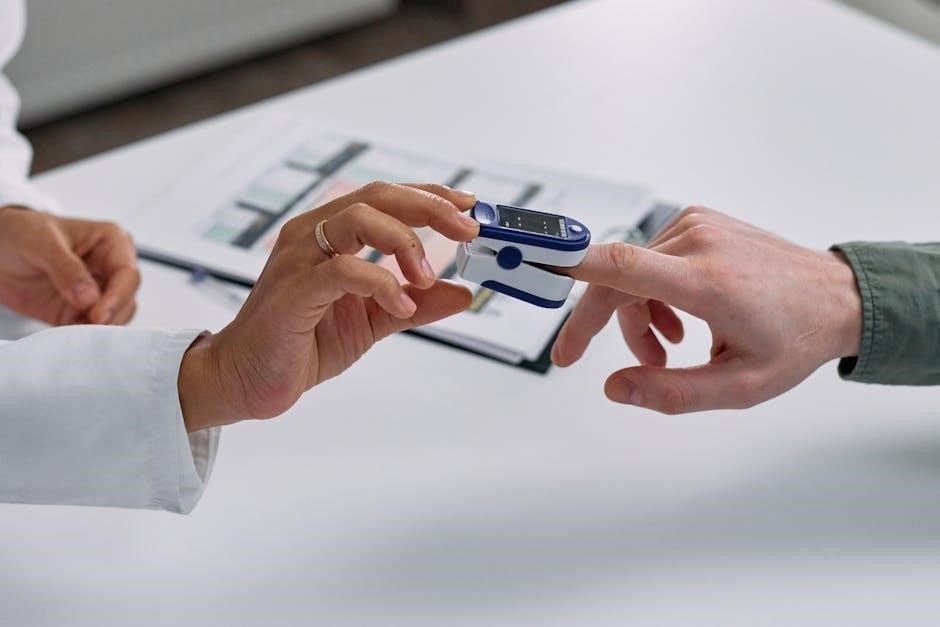
The FreeStyle Comfort is a cutting-edge, portable oxygen concentrator (POC) manufactured by CAIRE Inc․, specifically engineered to deliver supplemental oxygen to individuals requiring oxygen therapy while on the move․ Unlike traditional oxygen delivery systems that rely on bulky tanks, the FreeStyle Comfort utilizes ambient air, separating and concentrating oxygen for the user․

This innovative device is designed with patient comfort and convenience in mind, offering a lightweight and discreet solution for maintaining an active lifestyle․ Debuted in September 2018, it represents a significant advancement in oxygen therapy technology, providing a reliable and efficient means of oxygen delivery․ The FreeStyle Comfort is a wearable POC, allowing users greater freedom and flexibility compared to larger, stationary concentrators․

Key Features and Benefits

The FreeStyle Comfort boasts several key features enhancing the oxygen therapy experience․ It offers five pulse dose settings, allowing for personalized oxygen delivery based on individual needs and activity levels․ Its lightweight and compact design ensures comfortable wearability, promoting mobility and independence․

Benefits include increased freedom from bulky oxygen tanks, enabling users to participate in daily activities with greater ease․ The device’s portability facilitates travel and an active lifestyle․ CAIRE Inc․ designed it for reliable performance and user-friendliness․ The concentrator provides a discreet and convenient oxygen solution, improving quality of life for those requiring supplemental oxygen․

Understanding the Device

The FreeStyle Comfort utilizes advanced technology to efficiently extract oxygen from ambient air, delivering it to the user via pulse dose delivery․

Components of the FreeStyle Comfort

The FreeStyle Comfort portable oxygen concentrator comprises several key components working in harmony to deliver supplemental oxygen․ These include the main concentrator unit housing the internal mechanisms for air separation, a user-replaceable air filter ensuring clean intake, and a robust lithium-ion battery providing extended runtime․

Essential accessories are also included: a comfortable nasal cannula for oxygen delivery, a DC power adapter for recharging the battery, and an AC power adapter for use with standard electrical outlets․ The device features a clear LCD display panel for monitoring settings and status․ Finally, a carrying case, often sold separately, offers convenient portability and protection for the unit during travel or daily use․ Understanding each component aids in proper operation and maintenance․

Pulse Dose Technology Explained

Pulse dose technology, central to the FreeStyle Comfort’s operation, delivers oxygen only when the user inhales, mimicking natural breathing patterns․ Unlike continuous flow concentrators, it conserves oxygen, extending battery life and reducing waste․ The device senses a breath and responds by providing a precise pulse of oxygen, adjustable through five distinct settings․

This on-demand delivery is more efficient and comfortable for many users․ The concentrator’s internal sensors detect the initiation of inhalation, triggering a rapid oxygen release․ The duration and volume of each pulse are customizable to match individual needs and activity levels․ This intelligent system optimizes oxygen delivery, providing therapeutic benefits while maximizing device efficiency․

Operating Principles: How it Works

The FreeStyle Comfort utilizes a sophisticated process to deliver supplemental oxygen․ First, ambient air is drawn into the device; Then, a compressor increases the air’s pressure․ This pressurized air passes through a sieve bed containing zeolite minerals, which selectively absorb nitrogen․

This separation leaves highly concentrated oxygen․ The pulse dose technology then delivers this oxygen on demand, synchronized with the user’s breath․ Sensors detect inhalation, activating a solenoid valve to release a precise oxygen pulse․ The device continuously monitors and adjusts oxygen delivery, ensuring consistent therapeutic benefit․ This efficient system provides portable, reliable oxygen therapy․

Setting Up Your FreeStyle Comfort

Proper setup is crucial for optimal performance․ Begin with a full initial charge, then securely attach the cannula, and carefully adjust the pulse settings for comfort․

Initial Charging Procedures

Before first use, it’s essential to fully charge your FreeStyle Comfort portable oxygen concentrator․ Connect the provided AC adapter to the device and a standard electrical outlet․ The charging indicator light will illuminate, typically displaying a specific color – consult your device’s specific documentation for color meanings․

Allow ample time for a complete charge; this may take several hours․ Avoid interrupting the charging process until the indicator signals full capacity․ A complete charge ensures maximum runtime and optimal performance during initial operation․ It’s recommended to perform a full discharge and recharge cycle periodically to maintain battery health and longevity․

During charging, ensure the device is placed on a stable, flat surface and is not exposed to extreme temperatures or moisture․ Refer to the device’s manual for specific charging time estimates and any additional recommendations․

Attaching and Using the Cannula

Proper cannula attachment is crucial for effective oxygen delivery․ Gently insert the tapered end of the cannula into the oxygen outlet port on the FreeStyle Comfort, ensuring a secure and snug fit․ Avoid forcing the connection․ The nasal prongs of the cannula should comfortably fit into your nostrils․

Adjust the ear hooks for a secure, yet comfortable, fit․ The cannula should remain in place during normal activity without causing excessive pressure or discomfort․ Ensure the tubing isn’t kinked or obstructed, as this will restrict oxygen flow․ Regularly inspect the cannula for damage or wear, replacing it as needed․

Proper usage involves selecting the appropriate flow setting as prescribed by your healthcare professional․

Adjusting Pulse Settings

The FreeStyle Comfort features five pulse dose settings, allowing for personalized oxygen delivery based on your activity level and physician’s prescription․ To adjust the pulse setting, press the ‘Menu’ button on the device․ Navigate to the ‘Pulse Setting’ option using the up/down arrow buttons․

Select your desired setting – from 1 (lowest) to 5 (highest) – and confirm your selection by pressing the ‘Select’ button․ Lower settings are suitable for rest, while higher settings are ideal during exertion․

Monitor your oxygen saturation levels and adjust the setting accordingly, always following your healthcare provider’s guidance․ Incorrect settings may not deliver adequate oxygen․

Using the FreeStyle Comfort

Effortlessly power on the device and utilize the intuitive display panel to manage flow rates, ensuring optimal oxygen delivery for an active lifestyle․

Powering On and Off

To initiate operation, press and hold the power button located on the side of the FreeStyle Comfort until the display illuminates, indicating the device is powering on․ A brief self-test sequence will run, confirming system readiness․

The display panel will then show the last used settings, or default to a pre-set level․ To power down the device, simply press and hold the power button again for several seconds․

A confirmation message will appear on the screen, and the unit will shut down gracefully․ Ensure the device is completely powered off when not in use to conserve battery life and prevent accidental activation․ Always use the power button for controlled operation, avoiding abrupt disconnections․

Understanding the Display Panel

The FreeStyle Comfort’s display panel provides crucial information regarding device status and settings․ Key indicators include battery life, displayed as a percentage and a visual bar, and the current pulse setting level, ranging from one to five․

A cumulative operating hours counter tracks total usage time, aiding in maintenance scheduling․ Error codes, if any, are displayed prominently with accompanying visual alerts․ The display also shows the device’s operational mode – continuous flow or pulse dose․

Brightness adjustments are available for optimal visibility in varying lighting conditions․ Familiarizing yourself with these indicators ensures effective monitoring and control of your oxygen therapy․

Adjusting Flow Rate Settings

The FreeStyle Comfort utilizes pulse dose technology, offering five adjustable settings to match your activity level and physician’s prescription․ These settings aren’t traditional flow rates (ml/min) but rather represent increasing levels of responsiveness to your breathing pattern․

To adjust the setting, press the ‘Up’ or ‘Down’ arrow buttons on the device․ The current setting number will be displayed on the screen․ Start with the lowest setting and gradually increase it until you achieve comfortable oxygen delivery during activity․

Consult your healthcare provider to determine the appropriate setting for different situations․ Remember, higher settings consume more battery power․ Regular monitoring and adjustments are key to optimal therapy․

Maintenance and Troubleshooting

Regular upkeep ensures optimal performance of your FreeStyle Comfort․ Addressing issues promptly, like filter changes or error codes, maintains reliable oxygen delivery․

Cleaning the Device

Maintaining cleanliness is crucial for the FreeStyle Comfort’s performance and hygiene․ Always power off and disconnect the device from any power source before cleaning․ The exterior casing can be wiped down with a slightly damp, soft cloth․ Avoid using harsh chemicals, abrasive cleaners, or excessive moisture, as these can damage the unit․

Specifically, the cannula connection point should be regularly inspected and cleaned with a mild soap and water solution to prevent buildup․ Ensure it is thoroughly dried before reattaching the cannula․ Do not immerse the concentrator in water or any other liquid․ The filters, while replaceable, benefit from occasional gentle dusting to remove larger particles․ Refer to the filter replacement section for detailed instructions on filter maintenance․ Proper cleaning contributes to a longer device lifespan and consistent oxygen delivery․

Replacing Filters

Regular filter replacement is essential for optimal FreeStyle Comfort performance, ensuring clean and efficient oxygen delivery․ The device utilizes filters to remove dust and particles from the incoming air․ CAIRE Inc․ recommends replacing the filters based on usage and environmental conditions – typically every three months, or more frequently in dusty environments․

To replace, locate the filter access panel (refer to the device diagram)․ Open the panel and gently remove the old filter․ Insert a new, genuine CAIRE filter, ensuring it’s properly seated․ Close the access panel securely․ Using non-genuine filters may compromise device performance and void the warranty․ Always dispose of used filters responsibly․ Consistent filter changes maintain air quality and prolong the concentrator’s lifespan․

Common Error Codes and Solutions

The FreeStyle Comfort displays error codes to indicate potential issues․ Error code 1 often signals a low battery; connect the device to the charger․ Code 2 may indicate a cannula disconnection – ensure a secure connection․ Code 3 suggests a filter issue; check and replace the filter if necessary․ Code 4 typically points to an internal system error requiring service․

If an error persists, try restarting the device․ If the problem continues, consult the full manual or contact CAIRE Inc․ customer support for assistance․ Do not attempt to disassemble or repair the device yourself, as this will void the warranty and could cause further damage․ Promptly addressing error codes ensures continued reliable oxygen therapy․

Safety Information

Always use as prescribed by a physician; avoid use near open flames․ Ensure proper ventilation and never modify the device for optimal, safe operation․

Precautions and Warnings

Exercise extreme caution when using the FreeStyle Comfort near flammable materials, as oxygen supports combustion․ Do not smoke or allow open flames in the vicinity of the device․ Regularly inspect the cannula for cracks or damage, replacing it immediately if any are found․

Avoid exposing the concentrator to excessive moisture, dust, or extreme temperatures․ Ensure the device is placed on a stable surface during operation to prevent accidental falls․

Never attempt to disassemble or repair the unit yourself; only qualified technicians should perform maintenance․ Be mindful of the battery’s operating temperature range, and avoid prolonged exposure to direct sunlight․ Always follow your healthcare provider’s instructions regarding usage and flow settings․ Discontinue use and consult your physician if you experience any adverse reactions․

Contraindications for Use

The FreeStyle Comfort is not intended for use by individuals with certain medical conditions․ It’s contraindicated for patients experiencing acute illness requiring immediate respiratory support, or those with conditions where oxygen therapy is known to be harmful․

Individuals with a history of pneumothorax, or those prone to ear or sinus problems, should consult their physician before use․ This device is not suitable for use during general anesthesia or in hyperbaric chambers․

Patients with unstable cardiovascular conditions or those experiencing altered mental status require careful monitoring․ The FreeStyle Comfort is not a life-sustaining device and should not be relied upon during activities where interruption of oxygen flow could result in serious injury or death․ Always follow your doctor’s specific recommendations․

Technical Specifications

FreeStyle Comfort boasts a compact design, weighing approximately 4․8 pounds, and offers variable pulse dose settings, ensuring personalized oxygen delivery for optimal comfort․

Dimensions and Weight

The FreeStyle Comfort portable oxygen concentrator is meticulously engineered for portability without compromising performance․ Its compact dimensions are approximately 6․0 inches (Height) x 9․0 inches (Length) x 3․0 inches (Width), allowing for convenient travel and use in various settings․

Regarding weight, the device is remarkably lightweight, tipping the scales at approximately 4․8 pounds (2․18 kilograms) with the standard battery attached․ This manageable weight significantly reduces the burden on users, promoting greater freedom of movement and extended wearability throughout the day․ The lightweight design contributes to its overall user-friendliness, making it an ideal companion for active individuals requiring supplemental oxygen therapy․

Battery Life and Charging Time

The FreeStyle Comfort oxygen concentrator boasts impressive battery performance, offering up to 8 hours of operation on a single charge at a setting of 2․ This extended battery life ensures uninterrupted oxygen delivery throughout the day, providing users with peace of mind and increased independence․ Battery life will vary depending on the pulse dose setting selected․

Regarding charging, a full recharge typically takes approximately 2 to 3 hours using the provided AC/DC power adapter․ Conveniently, the device can be charged while in operation, allowing for continuous oxygen therapy during the charging process․ Utilizing an optional external battery can further extend usage time, making it ideal for travel or prolonged periods away from a power source․

myofunctional therapy exercises pdf

Myofunctional therapy utilizes targeted exercises to address oral and facial muscle dysfunction, promoting optimal function. Resources, like myofunctional therapy exercises PDF downloads,
offer guided routines for patients seeking non-invasive solutions to improve breathing, swallowing, and speech;

What is Myofunctional Therapy?

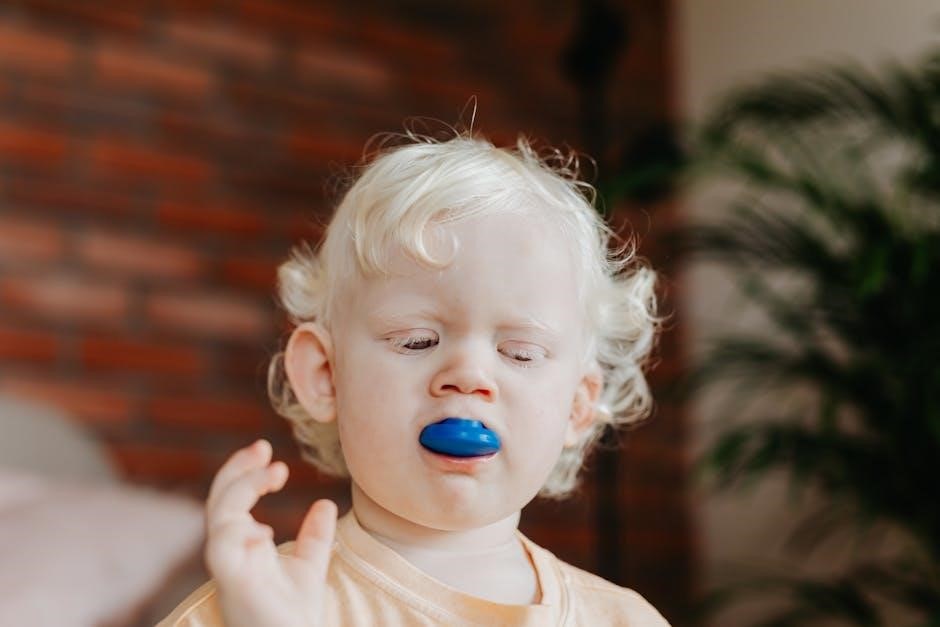
Myofunctional therapy is a specialized approach to healthcare focusing on the muscles of the face, mouth, and throat. It’s a holistic treatment method designed to address underlying causes of various functional issues, rather than just symptoms. This therapy involves a comprehensive assessment of oral and facial muscle function, followed by a customized program of exercises.

These exercises, often found in myofunctional therapy exercises PDF guides, aim to retrain and strengthen these muscles. The goal is to improve proper resting posture, breathing patterns, swallowing mechanics, and speech articulation. It’s particularly beneficial for individuals with tongue-tie, mouth breathing habits, or temporomandibular joint (TMJ) disorders.

Unlike traditional approaches, myofunctional therapy doesn’t simply mask problems; it seeks to restore optimal function by addressing the root causes. The exercises are gentle yet effective, and consistent practice is key to achieving lasting results. Accessing resources like downloadable PDFs can empower patients to actively participate in their own therapy.

The Role of Orofacial Muscles

Orofacial muscles – those of the face, mouth, and throat – play a crucial, interconnected role in essential functions like breathing, eating, speaking, and even facial expression. Proper function relies on coordinated muscle activity, and dysfunction in one area can cascade into others. For example, incorrect tongue posture can contribute to mouth breathing and impact facial development.

Myofunctional therapy directly addresses these muscle imbalances through targeted exercises. Many of these exercises are detailed in readily available myofunctional therapy exercises PDF resources. These routines focus on strengthening weak muscles and retraining others to function correctly, restoring optimal coordination.

Strengthening these muscles isn’t just about aesthetics; it’s about improving overall health and well-being. Correct orofacial muscle function supports proper airway development, efficient swallowing, and clear speech; By understanding the interconnectedness of these muscles, individuals can appreciate the comprehensive benefits of this therapy.

Understanding the Benefits of Myofunctional Therapy

Myofunctional therapy offers numerous advantages, from improved breathing to enhanced swallowing and clearer speech. Myofunctional therapy exercises PDF guides help unlock these benefits effectively.

Improved Breathing Patterns

Myofunctional therapy directly addresses dysfunctional breathing patterns, often stemming from improper tongue posture and weakened orofacial muscles. Many individuals habitually breathe through their mouths, leading to various health concerns. Myofunctional therapy exercises PDF resources provide structured routines designed to retrain the tongue to rest correctly – on the roof of the mouth – encouraging nasal breathing.

Nasal breathing filters, warms, and humidifies air, optimizing oxygen intake and improving overall respiratory health. These exercises strengthen the muscles responsible for nasal breathing, reducing reliance on mouth breathing. Consistent practice, guided by a myofunctional therapy exercises PDF, can lead to significant improvements in breathing efficiency, reduced snoring, and better sleep quality. Ultimately, restoring proper breathing mechanics is a cornerstone of successful myofunctional therapy.

Enhanced Swallowing Mechanics

Myofunctional therapy plays a crucial role in optimizing swallowing function, addressing inefficiencies that can lead to difficulties and even digestive issues. Improper tongue movement and weak oral muscles often contribute to disordered swallowing patterns. Fortunately, targeted exercises, detailed in myofunctional therapy exercises PDF guides, can effectively retrain these muscles.

These exercises focus on strengthening the tongue, lips, and cheeks, improving coordination and control during the swallowing process. A proper swallow involves a precise sequence of muscle activations, and myofunctional therapy exercises PDF resources offer step-by-step instructions to achieve this. Enhanced swallowing mechanics not only improve nutrition but also reduce the risk of aspiration and contribute to better oral health. Consistent practice is key to establishing a safe and efficient swallow.

Speech Clarity and Articulation

Myofunctional therapy significantly impacts speech clarity by addressing the underlying muscular imbalances that contribute to articulation errors. Weakness in the tongue, lips, and jaw can distort sounds and make it difficult to pronounce words correctly. Fortunately, specific exercises, readily available in myofunctional therapy exercises PDF materials, target these muscle groups.

These exercises improve muscle strength, range of motion, and coordination, leading to more precise tongue placement and lip movements. A myofunctional therapy exercises PDF will often include drills for specific sounds, helping individuals refine their pronunciation. By strengthening the orofacial muscles, therapy enhances resonance and improves overall speech intelligibility. Consistent practice, guided by these resources, is vital for achieving lasting improvements in speech clarity and articulation.

Common Issues Addressed by Myofunctional Therapy

Myofunctional therapy tackles diverse issues like tongue-tie, mouth breathing, and TMJ disorders, often utilizing myofunctional therapy exercises PDF guides for effective, targeted treatment.

Tongue Tie (Ankyloglossia)

Tongue-tie, or ankyloglossia, restricts the tongue’s range of motion due to a tight frenulum; This limitation can significantly impact various oral functions, including speech, swallowing, and even breastfeeding in infants. Myofunctional therapy plays a crucial role in addressing these challenges, particularly after a frenotomy (release of the tongue-tie).

Post-release care is paramount, and this is where specific exercises become invaluable. Myofunctional therapy exercises PDF resources often provide detailed protocols designed to rebuild tongue strength and mobility. These exercises focus on achieving proper tongue posture – resting the tongue on the roof of the mouth – and facilitating a full range of tongue movements.

Consistent practice, guided by a qualified therapist and supplemented with downloadable myofunctional therapy exercises PDF materials, helps retrain the tongue and surrounding muscles. This comprehensive approach ensures optimal functional recovery and prevents the tongue from reattaching in a restricted position, maximizing the benefits of the frenotomy and improving overall oral health.

Mouth Breathing and its Consequences

Chronic mouth breathing, often stemming from nasal obstruction or habit, can lead to a cascade of negative health consequences. These include altered facial development, poor sleep quality, increased risk of dental cavities, and even impacts on cognitive function. Myofunctional therapy directly addresses the underlying muscle imbalances contributing to this breathing pattern.

A key component of treatment involves retraining the oral muscles to encourage nasal breathing. Myofunctional therapy exercises PDF guides frequently include exercises to strengthen the tongue, lips, and cheeks, promoting proper oral posture and nasal airflow. These exercises aim to restore the natural resting position of the tongue on the palate.
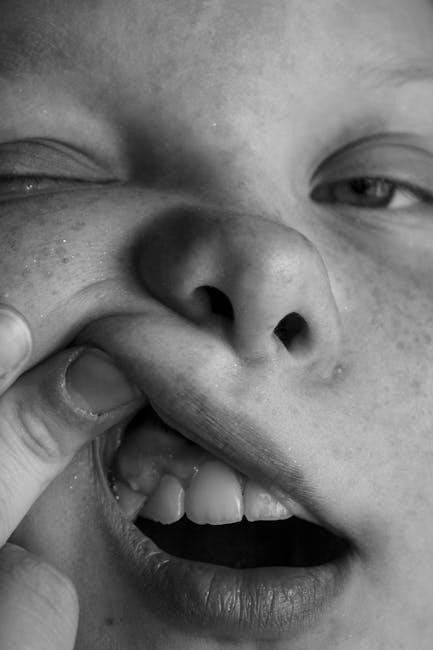
Accessing myofunctional therapy exercises PDF resources, alongside professional guidance, empowers individuals to actively participate in their recovery. Consistent practice helps to close the mouth naturally, improve oxygen intake, and mitigate the long-term health risks associated with habitual mouth breathing, fostering better overall well-being.
Temporomandibular Joint (TMJ) Disorders

Temporomandibular Joint (TMJ) disorders encompass a range of conditions affecting the jaw joint and surrounding muscles, causing pain, clicking, and limited movement. Often, these disorders are linked to imbalances in the orofacial musculature, impacting jaw alignment and function. Myofunctional therapy offers a non-invasive approach to address these underlying muscular issues.

Specific myofunctional therapy exercises PDF routines focus on releasing tension in the jaw muscles, improving range of motion, and restoring proper tongue posture. These exercises help to decompress the TMJ and reduce strain on the surrounding structures. Strengthening exercises also contribute to improved jaw stability.

Utilizing myofunctional therapy exercises PDF materials, under the guidance of a qualified therapist, can significantly alleviate TMJ symptoms. Consistent practice promotes balanced muscle function, reduces pain, and enhances overall jaw health, offering a holistic approach to managing these often-debilitating conditions and improving quality of life.

Key Myofunctional Therapy Exercises

Myofunctional therapy employs specific exercises targeting oral and facial muscles; readily available myofunctional therapy exercises PDF guides detail routines for improved function and strength.

Tongue Posture Exercises

Tongue posture exercises are foundational in myofunctional therapy, aiming to establish correct resting positioning of the tongue – gently resting on the roof of the mouth. This contrasts with a tongue that lies low and forward, contributing to mouth breathing and other dysfunctions.

Myofunctional therapy exercises PDF resources often dedicate significant sections to these exercises, illustrating techniques like the “Tongue Slide,” where the tongue is drawn back along the palate. Another common exercise involves maintaining tongue elevation during swallowing.

Consistent practice strengthens the muscles responsible for proper tongue posture, improving breathing patterns, swallowing efficiency, and even facial structure over time. These exercises are often prescribed as a starting point, forming the basis for more advanced myofunctional routines. Correct tongue posture is crucial for optimal oral and overall health, and readily available guides can help individuals implement these techniques effectively.

Lip Exercises

Lip exercises within myofunctional therapy focus on strengthening the orbicularis oris muscle, crucial for proper lip closure and sealing during functions like breathing, eating, and speech. Weak lip muscles contribute to mouth breathing and can impact dental development.

Myofunctional therapy exercises PDF guides frequently include exercises like lip pursing, where lips are held closed with varying degrees of pressure, and lip stretching, involving controlled movements in all directions. Another technique involves resisting lip separation with a finger.

These exercises improve lip tone and competence, promoting nasal breathing and reducing strain on other facial muscles. Consistent practice, as detailed in downloadable resources, helps establish healthy lip habits. Strengthening the lips is a vital component of a comprehensive myofunctional therapy program, contributing to improved oral and facial function and overall well-being.

Cheek Exercises

Cheek exercises in myofunctional therapy aim to strengthen the buccinator muscles, playing a key role in maintaining cheek firmness and assisting with chewing and swallowing. Weak cheek muscles can lead to food pocketing and contribute to improper oral posture.

Myofunctional therapy exercises PDF resources often feature exercises like cheek puffs, where air is held in the cheeks, and cheek massages to stimulate muscle activity. Another common exercise involves resisting cheek puffing with a finger, increasing muscle endurance.

These exercises improve cheek muscle tone and function, supporting efficient food processing and a more balanced facial structure. Regular practice, guided by downloadable materials, helps develop healthy cheek habits. Strengthening the cheeks is an integral part of a holistic myofunctional approach, enhancing oral motor skills and overall facial harmony.

Accessing Myofunctional Therapy Resources

Myofunctional therapy exercises PDF downloads provide accessible, at-home routines. These resources supplement professional guidance, empowering patients to actively participate in their therapy journey.

Finding a Qualified Myofunctional Therapist

Locating a skilled myofunctional therapist is crucial for a successful therapy experience. While myofunctional therapy exercises PDF resources can be helpful supplements, they shouldn’t replace personalized assessment and guidance. Look for therapists specifically trained and certified in orofacial myofunctional therapy – credentials demonstrate a commitment to best practices.

Several organizations offer directories to help you find qualified professionals in your area; Consider asking your dentist, pediatrician, or speech-language pathologist for recommendations. During an initial consultation, inquire about the therapist’s experience, treatment approach, and how they tailor exercises to individual needs.

A good therapist will conduct a comprehensive evaluation of your oral and facial muscle function before prescribing any exercises. They’ll also monitor your progress and adjust the program as needed. Remember, effective myofunctional therapy is a collaborative process, and a qualified therapist will empower you to achieve lasting results.

Myofunctional Therapy Exercises PDF Downloads

Numerous resources offer myofunctional therapy exercises PDF downloads, providing convenient access to routines you can practice at home. However, it’s vital to remember these are best utilized in conjunction with guidance from a qualified therapist. A PDF can demonstrate exercises, but lacks personalized assessment.

These downloadable guides typically include exercises targeting tongue posture, lip strength, and cheek engagement – core components of myofunctional therapy. Look for PDFs created by reputable organizations or certified therapists to ensure accuracy and safety. Be cautious of generic resources lacking professional oversight.

While PDFs offer convenience, they cannot replace the individualized treatment plan a therapist develops. A therapist will assess your specific needs and modify exercises accordingly. Use PDFs as a supplementary tool, diligently following your therapist’s instructions for optimal results and to avoid potential issues.

Online Resources and Programs

Beyond myofunctional therapy exercises PDF downloads, a growing number of online resources and programs are emerging. These platforms often feature video demonstrations, progress tracking, and sometimes, even virtual consultations with therapists. However, discerning quality is crucial; not all online programs are created equal.

Look for programs developed by certified myofunctional therapists or organizations with established credentials. Many offer introductory modules or free trials, allowing you to assess their suitability. Consider programs that emphasize personalized feedback and address individual needs, rather than a one-size-fits-all approach.

While convenient, online resources shouldn’t entirely replace in-person therapy, especially for initial assessment and complex cases. They can, however, serve as excellent supplementary tools for reinforcing exercises and maintaining progress between therapy sessions. Always prioritize resources that promote safe and effective techniques.

Integrating Myofunctional Therapy into Daily Life

Consistent practice, guided by resources like myofunctional therapy exercises PDF guides, is key to success. Incorporate these exercises seamlessly into your routine for lasting benefits.

Consistency and Practice

Regularity is paramount when embarking on a myofunctional therapy journey. The benefits aren’t realized through sporadic effort, but rather through dedicated, consistent practice of the prescribed exercises. Utilizing resources like myofunctional therapy exercises PDF downloads can significantly aid in establishing a structured routine.

These PDFs often provide detailed instructions, visual aids, and suggested schedules, making it easier to integrate the exercises into your daily life. Aim for short, frequent sessions – even 5-10 minutes several times a day can be more effective than longer, infrequent ones.

Think of it like building any other skill; repetition strengthens the muscles and reinforces correct movement patterns. Don’t be discouraged by initial challenges; it takes time and dedication to retrain oral and facial musculature. Track your progress, celebrate small victories, and remember that consistency is the cornerstone of successful myofunctional therapy.

Combining with Other Therapies

Myofunctional therapy often achieves optimal results when integrated with other therapeutic approaches. For individuals utilizing myofunctional therapy exercises PDF guides, a holistic strategy can accelerate progress and address interconnected issues. Speech therapy, for example, can complement myofunctional exercises by refining articulation and addressing underlying speech patterns.

Similarly, collaboration with a dentist or orthodontist is crucial, particularly when addressing structural concerns like tongue-tie or jaw alignment. Addressing these structural factors alongside functional retraining maximizes long-term benefits.

Furthermore, therapies like allergy management or sleep apnea treatment can be synergistic, as nasal congestion and disrupted sleep significantly impact oral posture and function. A qualified myofunctional therapist will assess individual needs and collaborate with other healthcare professionals to create a comprehensive, personalized treatment plan.